EN

Parts destruction

The destruction and disposal of unserviceable / unsalvageable aircraft parts is carried out strictly in accordance with EASA Part-145 standards, the legislation of the Republic of Lithuania and environmental requirements. Through the parts destruction process we ensure that parts declared unfit for flight pose no threat to aviation safety and do no harm to the environment.


The process and the client's decision


  • Exclusive client control: The aircraft parts destruction process begins only after an official, unambiguous decision and written instruction from the client (the airline or the owner). 

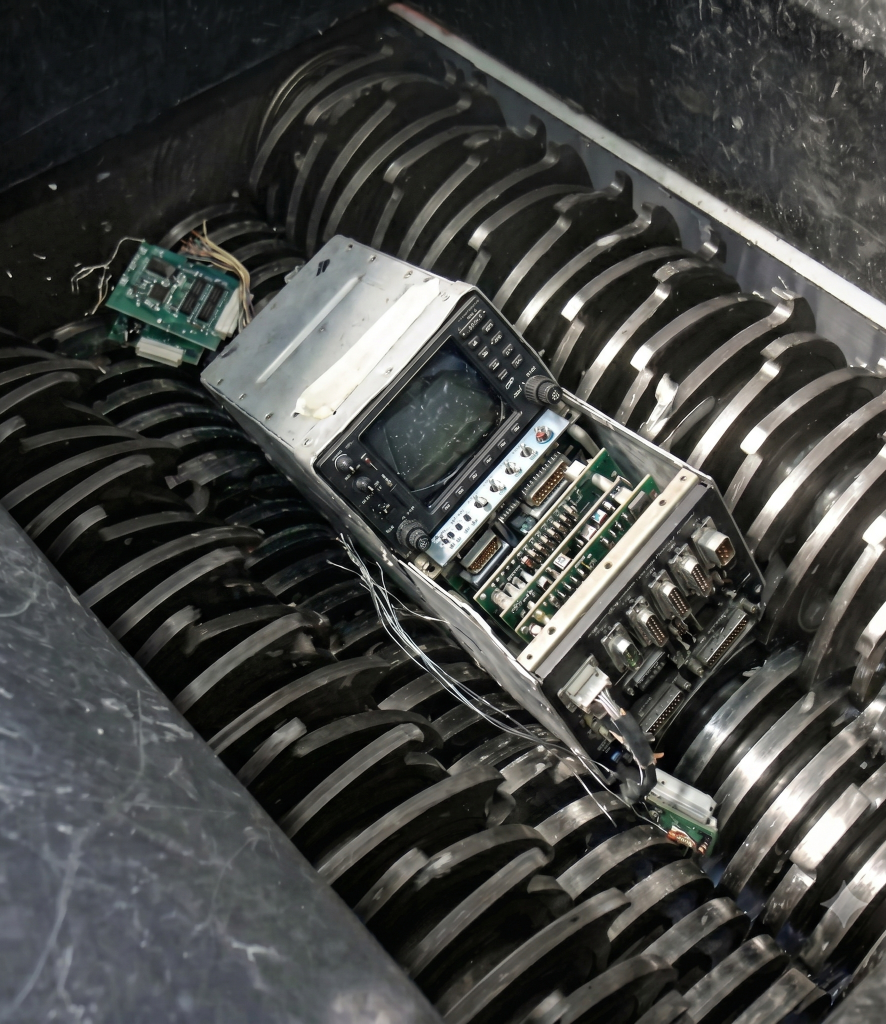
  • Physical destruction of parts (mutilation): Following aviation best practice (e.g. FAA AC 21-43 or the corresponding EASA guidance), parts are physically destroyed so that they cannot be repaired, restored or confused with serviceable components. Parts are cut, drilled, pressed or deformed.

  • Protection against bogus parts: Physical destruction guarantees that components or fragments of them cannot illegally reach the secondary market as Suspected Unapproved Parts (SUP).

Environmental protection and compliance with Lithuanian law


  • Environmentally sound disposal: All scrap metal, composite material and electronics residues generated during destruction are sorted and handed over to certified waste handlers. The process is carried out in strict compliance with Lithuanian environmental protection legislation.

  • Handling of hazardous waste: If the components being destroyed contain hazardous chemicals, liquids, heavy metals or asbestos, they are disposed of under special hazardous waste procedures, ensuring zero environmental impact.

Documentation and traceability

Every stage of destruction is recorded so that the client holds legally valid evidence:


  • A detailed destruction report is drawn up, listing the batch, serial and part numbers of the parts (P/N, S/N).

  • Photographic and/or video evidence is captured before, during and after destruction.

  • The client is issued a Certificate of Destruction, allowing airlines to write the assets off their balance sheet and component tracking systems in an orderly way.